The Comprehensive Guide to EV Charger Installation: Benefits and Expert Practices
Installing EV chargers presents significant advantages for residential and commercial properties alike. Enhanced convenience and potential cost savings are primary benefits. Moreover, selecting the right charger type is essential for peak performance. Nevertheless, several pre-installation considerations must be addressed to guarantee compliance and safety. Understanding the installation process and maintenance practices is equally important. Which factors should be prioritized to fully leverage the advantages of EV charger installation?
Why Consider Installing an EV Charger at Home or Business?
Setting up an electric vehicle charger for residential or commercial use provides many benefits that help enhance both convenience and sustainability. Through having a dedicated charging station, electric vehicle (EV) owners can charge their vehicles at night or during working hours, removing the necessity of frequent trips to public charging stations. This saves time while also ensuring that the car is always prepared for the road.
Furthermore, setting up an EV charging unit can greatly reduce energy expenditures, especially with the opportunity for time-of-use pricing. Businesses can engage sustainability-focused customers by displaying their support for green business practices, improving their corporate identity. In addition, municipal authorities frequently offer rewards for EV charging station setup, establishing it as a cost-effective choice.
Selecting the Best Type of EV Charger for Your Requirements
Selecting the correct type of EV charger is crucial for optimizing charging efficiency and fulfilling individual needs. There are primarily 3 types of chargers: Level 1, Level 2, and DC Fast Chargers. Level 1 chargers, which utilize standard household outlets, are suitable for overnight charging but provide slower charging speeds. Level 2 chargers provide faster charging and are perfect for home installations, supporting various vehicle models reliably. For commercial applications or quick charging needs, DC Fast Chargers significantly reduce charging time but require specialized electrical infrastructure.
When selecting a charging unit, key aspects include the compatibility of the vehicle, the average daily driving distance, and available power supply. Additionally, budget constraints and installation space must be factored in, as certain chargers might need expert installation. In the end, picking the suitable EV charger can boost convenience and overall efficiency, rendering it a critical decision for all electric vehicle owners.
What You Should Know Prior to Installing Your EV Charger
Prior to beginning the installation of an EV charger, various important aspects must be evaluated to guarantee a successful setup. First, one must examine the electrical capacity of the home or facility. Ensuring that the existing electrical system can handle the additional load is crucial to protect against system overloads. Next, the location of the charger should be chosen carefully, taking into account ease of access, closeness to parking areas, and shelter from weather conditions.
Furthermore, local building codes and regulations should be carefully examined to confirm compliance, as some areas may have specific requirements for EV charger installations. Consulting a licensed electrician is strongly encouraged, as they are qualified to evaluate the site, suggest suitable equipment, and ensure a safe installation. Finally, considering future needs, such as possible enhancements for more vehicles or improved charging speeds, can provide long-term benefits. Careful planning can facilitate a streamlined and efficient EV charging experience.
How to Set Up Your EV Charger: An Easy Step-by-Step Guide
Installing an EV charger demands careful preparation and attention to detail. First, the installation site must be assessed to guarantee it fulfills the required safety and accessibility standards. Following this, accurate linking of all electrical parts is critical for efficient and safe operation of the charger.
Getting Your Installation Site Ready
Preparing the installation site for an EV charger is a vital step that sets the foundation for a successful setup. First, the location should provide easy access to the vehicle, ideally close to the power source. The surface must be level, confirming the charger remains secure. Clear any debris, vegetation, or obstacles that could interfere with installation or access. If installing outdoors, consider factors such as exposure to weather and distance from existing electrical infrastructure. Examine the electrical capacity of the home to verify it can handle the charger. As a final step, check local regulations and acquire necessary permits, as compliance with codes is imperative for safe operation. Adequate preparation will streamline the installation process and boost overall effectiveness.
Wiring Electrical Components
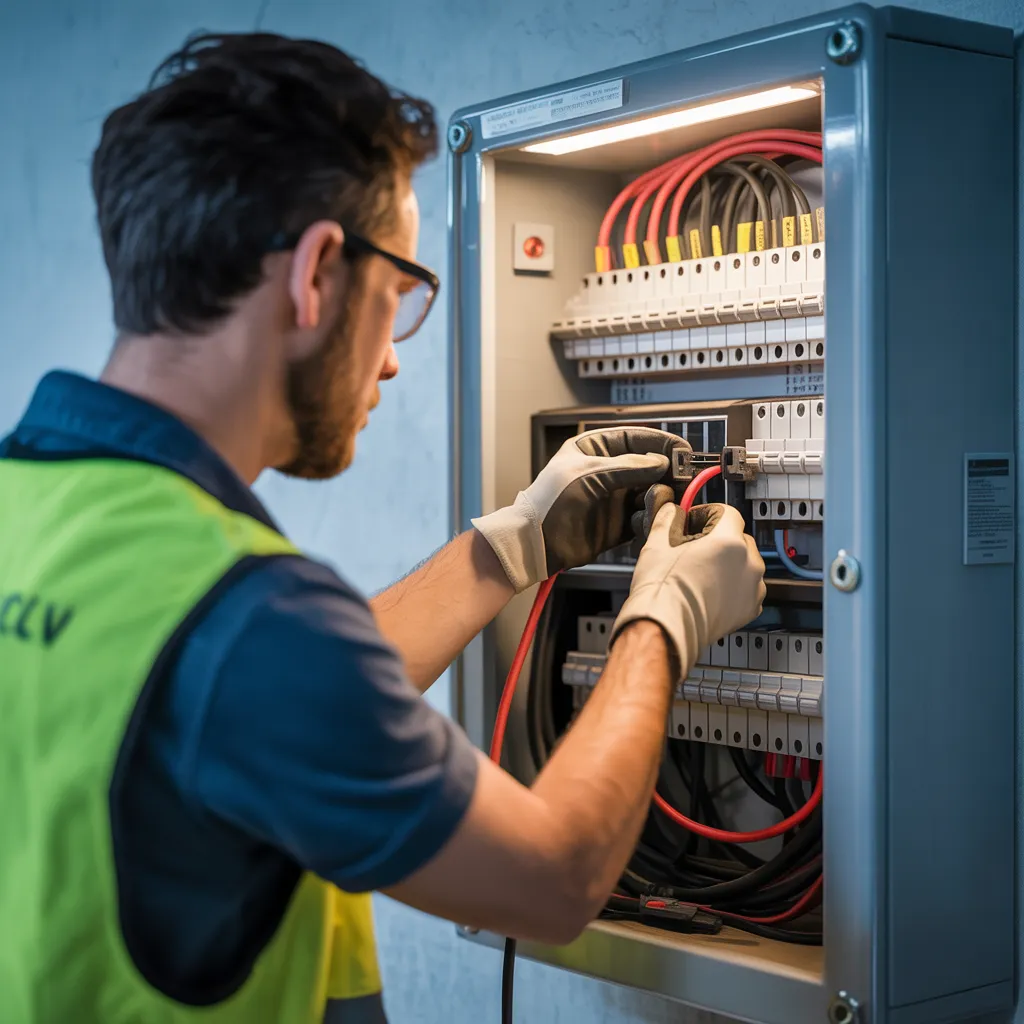
With the installation area set up, the next step involves connecting the electrical components of the EV charger. To begin, the circuit breaker must be switched off to guarantee safety. The technician must then connect the charger's power supply wires to the assigned circuit. Generally, this entails connecting the live, neutral, and earth wires according to the manufacturer's specifications. It is critical to ensure all connections are properly secured, utilizing the correct tools to prevent any loose wires. Subsequently, the technician should firmly attach the charger to the wall or pedestal, ensuring it is properly leveled. When all wiring connections are complete, the circuit breaker may be switched back on. Finally, a thorough inspection should be performed to verify that everything is functioning correctly before the charger is used.
Best Practices for Safe and Efficient EV Charging
Ensuring safe and efficient EV charging is essential for vehicle longevity as well as user safety. To achieve this, users should select chargers that comply with local electrical codes and standards. The charger should be installed in a well-ventilated space, ensuring it remains clear of potential hazards including water sources and flammable materials. Periodic checking of charging cables and connectors is necessary to detect any wear or damage that may pose a safety risk.
Furthermore, users are advised to oversee the charging process and prevent circuit overloads. Utilizing timers or intelligent charging solutions can aid in controlling energy consumption while minimizing expenses. Users should also be informed about correct charging etiquette, including unplugging the vehicle promptly after charging to prevent overheating. By following these recommended guidelines, both safety and efficiency can be maximized, which ultimately leads to a superior EV charging experience for all users.
Maintaining Your EV Charger for Longevity and Performance
Proper maintenance of an EV charger plays a major role in its long-term performance and reliability. Periodic examinations are important to ensure all connections are firm and protected from rust. Cleaning the charging port and cable can stop the gathering of dust and dirt, which may negatively impact charging speed. Additionally, users should routinely monitor for software updates, as manufacturers commonly distribute updates that boost overall functionality and system security.
It is equally important to monitor the charging environment. Storing the charger in a protected area can shield it from harsh weather conditions that could lead to damage. Employing a surge protector can defend the charger against harmful electrical surges.
Furthermore, tracking any irregular occurrences, like slow charging speeds or system error messages, can help with timely problem resolution. Applying these upkeep practices ensures that the EV charger is kept in excellent condition, ultimately enhancing the user experience and extending the device's operational lifespan.
Frequently Asked Questions
Should I Install an EV Charger Myself, or Hire a Professional?
Homeowners can install an EV charger themselves if they possess the necessary skills and knowledge; however, working with a professional installer is often recommended for safety reasons, conformity with regional requirements, and similar information maintaining peak efficiency of the charging system.
What Permits Are Required for EV Charger Installation
Permits for EV charger installation usually encompass zoning permits and electrical permits in certain areas. Requirements differ based on your location, so checking local guidelines and potentially working with a licensed professional can guarantee compliance and safety.
What Are the Typical Costs of Installing an EV Charger?
The typical cost of EV charger installation ranges anywhere from $500 to $2,000, based on factors including the complexity of the installation site, labor rates, and necessary electrical upgrades. Extra costs may be incurred for specific equipment requirements or permits.
How Long Does the Installation Process Take?
The installation process for an EV charging unit usually requires four to eight hours on average, subject to the complexity of the electrical system and the particular charger model being installed, along with any required permits or inspections.
Are There Tax Credits or Rebates Available for EV Charger Installation?
Indeed, several financial incentives and tax credits are offered for the installation of EV chargers. These programs typically rely on location and local regulations, inspiring residential and commercial property owners to adopt eco-friendly EV charging infrastructure for greener transportation options.